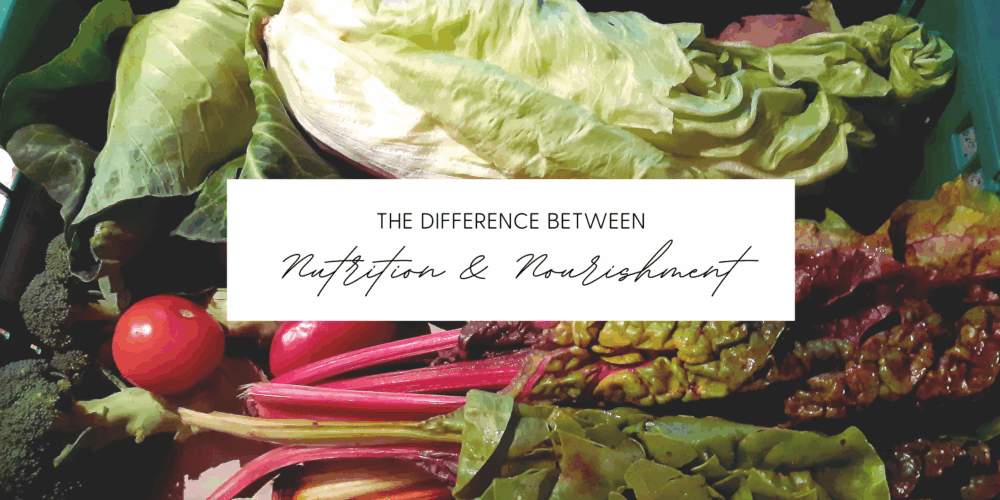
In a world overflowing with food, it’s easy to feel well-fed. But there’s a quiet truth many of us miss: being fed isn’t the same as being nurtured.
Nutrition is what you count: calories, macronutrients, vitamins, and minerals. It’s the science behind food, what you log in an app or see on a nutrition label. It powers your body to function by fueling movement, supporting organ systems, repairing tissues, and helping your mind stay alert and focused. It lowers disease risk and provides the foundation of health.
But nutrition alone doesn’t capture the whole experience.
Nourishment is what happens when food meets the fullness of life: the slower heartbeat during a shared meal, the warmth of cooking something with intention, and the comfort that lingers after you’ve eaten well. It includes the emotional, cultural, and spiritual layers of eating. A simple bowl of soup savored with gratitude can leave you feeling more nourished than a calorie-dense energy bar gulped on the go, even if both contain similar nutrients.
Nourishment asks:
- Does this meal leave me feeling grounded or buzzy?
- Connected or isolated?
- Energized or depleted?
It’s the difference between feeding your body and feeding yourself.
You can log perfect nutrition and still feel undernourished. That feeling of something missing at the end of the day? It’s often a lack of nourishment. When we eat mindlessly or under stress, food becomes fuel, but we do not care.
Integration is lost: the body gets the nutrients, but the soul — and often the stress response — remains unattended.
A well-balanced protein bar might meet your nutritional needs, but it won’t necessarily slow your heart rate, evoke memories, or bring you back to your own body. That’s the job of nourishment.
Integrating Nutrition and Nourishment
When nourishment meets nutrition, meals become moments of care, not chores. Here’s how to bring them together in real life:
- Mindful eating. Slow down. Notice the textures, aromas, and flavors. Pause between bites. Let food be a moment of presence, not something to rush through.
- Emotional awareness. Ask yourself: “Am I hungry… or tired, anxious, lonely?” Recognizing emotional hunger helps you meet your real needs, whether that’s rest, connection, or something else.
- Creative connection. Don’t just toss ingredients together. Choose foods you enjoy. Add herbs that spark joy. Use shapes or colors that lift your spirit. Let meals feel like a small creative project, not a task.
- Cultural resonance. We all have foods that connect us to home, heritage, or ritual. Honor them. Even one dish each week that links you to your roots can feel grounding.
- Holistic habits. Nourishment isn’t limited to the plate. Regular movement, meaningful rest, connection, andtime in nature deepen the impact of good nutrition.
- Intentional ritual. It might be lighting a candle, setting the table, or simply taking a moment to breathe before you eat. Ritual creates context and signals to your system that this isn’t just eating; this is nourishment.
It’s possible to eat in ways that deliver nutrients and satisfy the deeper need to feel cared for. Build meals around wholesome whole foods—vegetables, quality proteins, whole grains—and layer in elements that speak to you emotionally and culturally. Even minor rituals can elevate a meal from fuel to nourishment.
Nutrition is the foundation; nourishment is the structure rising from it. Together, they create a living system — one that supports not only physical health but mental clarity, emotional resilience, and a sense of belonging in your body and your life.
So next time you prepare a meal, pause and ask: Am I just feeding myself, or am I nourishing myself? The answer might transform your relationship with food and with yourself.